
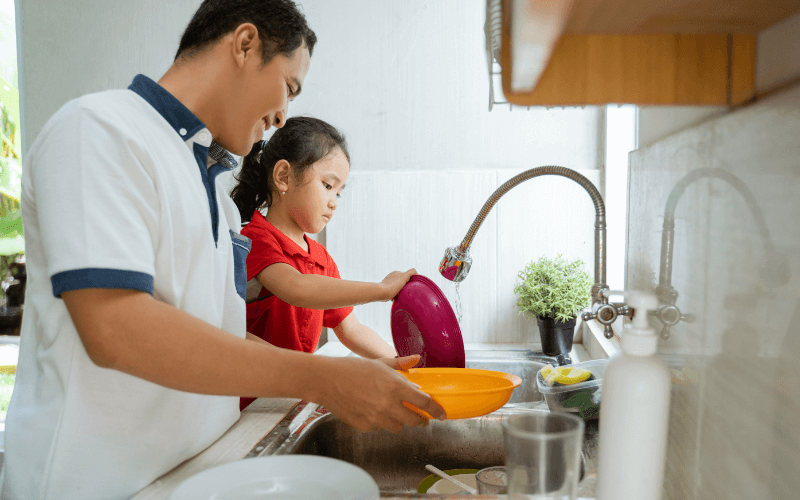
One important life lesson to impart to children is responsibility, and the best way you can do this is by allowing them to perform house chores that can be both enjoyable and rewarding. By turning mundane tasks into fun home activities, parents can instil the value of responsibility in their children, which they can use later in life. Here are some creative methods to make home cleaning an engaging experience for your kids.
Start with Age-Appropriate Tasks
Delegating house chores to your children based on their age and ability is the first step to teaching responsibility. Younger children can handle simpler tasks like wiping surfaces, dusting, or tidying up toys, while older kids can take on more complex responsibilities like vacuuming, washing dishes, or helping with laundry. These small tasks are manageable and can improve their self-confidence and maintain their motivation.
Now that the Singapore Green Plan was launched in 2021, every household can contribute to creating a cleaner and sustainable future. It is never too early to teach your child not just the value of responsibility but also to take care of our Mother Earth.
Turn Chores into Games
Injecting an element of play to house chores is a surefire way to maintain the interest of the child. For example:
- Cleaning races: Set a timer and challenge your kids to see who can put away the most items in a given time.
- Scavenger hunts: While dusting or vacuuming, encourage them to find specific items, like a stray sock or a misplaced book.
- Dance cleaning parties: Put on some upbeat music and let them groove while sweeping or mopping.
By turning cleaning into a game, chores feel less like work and more like an adventure.
Reward Effort, Not Perfection
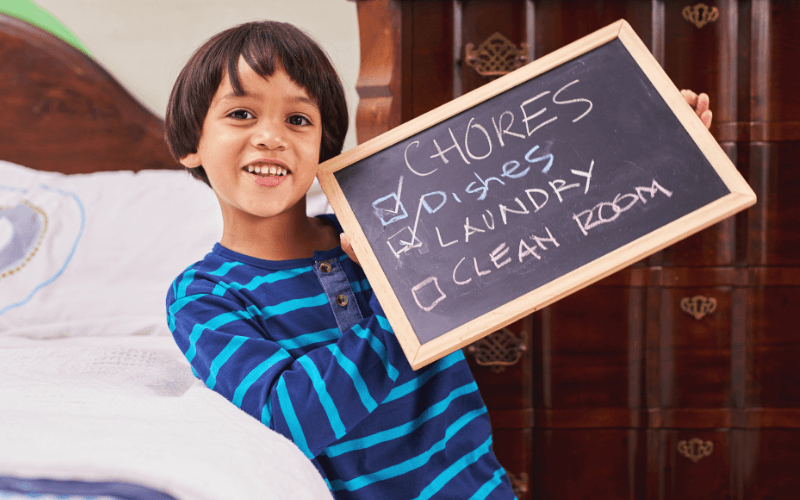
Children are prone to making mistakes as they learn, however, by nudging them with positive reinforcement, you can encourage them to learn from their errors. Utilize a reward system to acknowledge their participation:
- Make a colourful chore chart where they can gain stickers for completed tasks.
- Offer small incentives, such as a fun outing or a movie night, after they reach a certain number of stickers.
Positive reinforcement not only maintains their engagement but also builds self-confidence and provides them with pleasant memories.
Make It a Family Affair
Children often copy what they see, so involving the entire family in cleaning tasks can empower them. Assign roles to everyone and work as a team to tidy up the living room, organise shelves, or even garden together. The shared experience fosters a sense of camaraderie and shows kids that maintaining a home is a collective effort.
Teach Life Skills Through Chores
Many home cleaning tasks are excellent opportunities to teach practical life skills. For instance:
- Cooking and kitchen clean-up: Let kids assist in meal prep and then tidy up afterwards. They’ll learn about food safety and the importance of keeping spaces clean. By teaching your child how to clean at a very young age, you also set them up to contribute to the government’s Singapore Green Plan for a much greener and sustainable future.
- Laundry lessons: Sorting clothes by colour, folding, and putting them away helps develop organisational skills.
- Pet care: Feeding pets or cleaning their living areas teaches responsibility for other living beings.
These activities not only build independence but also prepare them for the future.
Add Creative Touches
Children thrive on creativity, so incorporate fun twists into their tasks:
- Give them a spray bottle filled with safe, homemade cleaning solutions to clean windows or countertops. The novelty of spraying and wiping can be exciting.
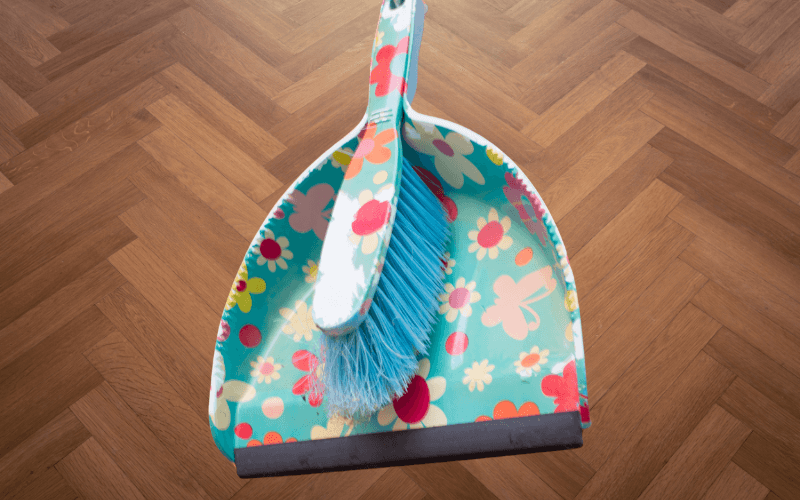
- Let them design their chore tools, such as customising a dustpan with stickers or decorating a laundry basket.
- For older kids, turn decluttering into a fashion show, where they model clothes they no longer wear before deciding what to donate.
These small, imaginative tweaks can make a big difference in their willingness to help out.
Build a Routine Early
Consistency is key when teaching responsibility. Set regular times for completing chores, such as before dinner or on weekends. Routines help children understand expectations and integrate cleaning into their daily lives seamlessly. Over time, these habits will stick, reducing the need for constant reminders.
Conclusion
Making house chores fun and engaging for kids doesn’t have to be a daunting task. By introducing fun home activities and fostering a positive environment, parents can instil responsibility, teamwork, and essential life skills in their children. Remember, the goal is not perfection but progress—small steps that lead to big lessons.
Are you looking for practical household tips? Visit Living Comforts and get a daily dose of guides on home living.
