
Taking out the rubbish seems like a simple, routine task, but many people make avoidable mistakes that can harm the environment, create waste management issues, or even risk personal safety. To ensure you’re properly handling your waste and supporting initiatives such as the green plan in Singapore it’s essential to practise proper waste disposal and know what you should stop doing when taking out the trash. Here are key habits to avoid to make your waste disposal more effective and safe.
1. Stop Mixing Recyclables with Regular Waste
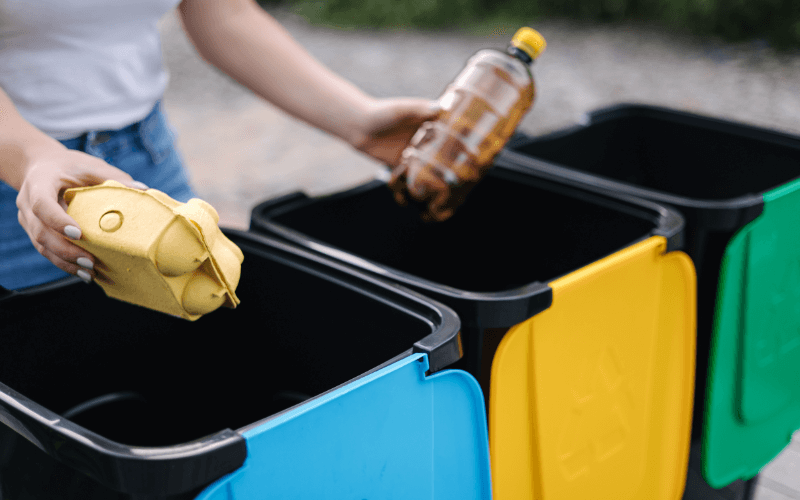
One of the most significant issues with waste management is mixing recyclables with regular household rubbish. Combining the two makes it harder for recycling centres to sort and process waste properly, often leading to recyclables being sent to landfills. To support proper waste disposal, always separate your recyclables from other waste. Paper, plastics, glass, and metals should be placed in designated bins to ensure they can be processed correctly. Taking the time to separate recyclables is a simple step towards reducing environmental impact.
ALSO READ: 6 Practical Ways To Embrace Sustainable Living At Home
2. Stop Throwing Away Food Waste Carelessly
Improper disposal of food waste can lead to unpleasant odours, attract pests, and increase the volume of waste going to landfills. Instead of throwing food waste in with general household rubbish, consider composting or using designated food waste bins where available. Composting is a natural way to recycle organic waste into valuable soil, which is beneficial for gardening and reduces the strain on landfill sites. By safely disposing of food waste, you contribute to a healthier and cleaner environment.
3. Stop Disposing of Hazardous Materials with Household Waste
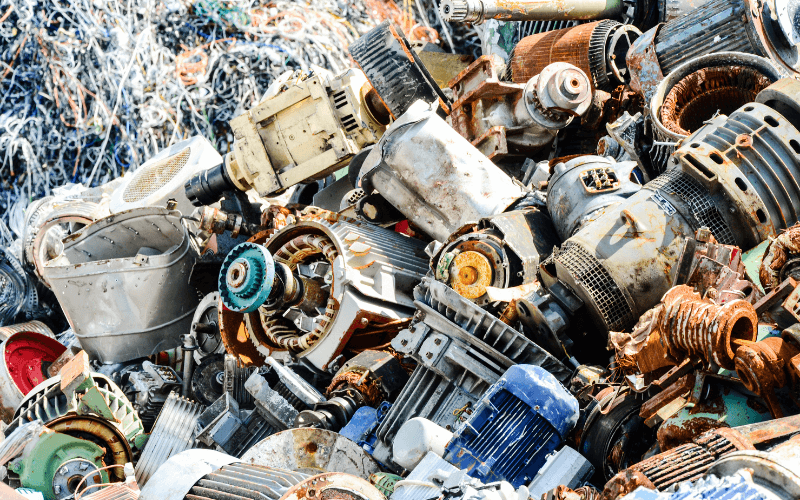
Items like batteries, electronics, cleaning chemicals, and paint should never be thrown away with your regular rubbish. These hazardous materials can pose serious environmental risks if not discarded properly, such as soil and water contamination. Many local authorities provide specific guidelines for safely discarding hazardous materials, often offering designated drop-off points or collection services as part of efforts aligned with the green plan in Singapore. Be sure to follow these procedures to ensure that dangerous materials are handled and disposed of safely.
4. Stop Using Plastic Bags for Everything
While plastic bags may seem convenient for lining bins and collecting waste, their environmental impact is severe. Plastic takes hundreds of years to decompose and often ends up in oceans, harming wildlife. To support better waste disposal habits, such as disposing of food waste, consider switching to biodegradable bags or reusable containers where possible. Reducing plastic waste starts with small actions like limiting plastic bag usage, which contributes significantly to a greener environment.
5. Stop Overfilling Your Bins
Overfilling your bins can create problems, from attracting pests to making waste collection more difficult. When bins are too full, rubbish can spill out, making your surroundings unsanitary. To avoid this, ensure that waste is compacted properly and bins are emptied regularly. If you constantly find yourself with too much rubbish, it might be worth assessing your consumption habits and seeing where you can reduce waste. Properly managing the amount of waste in your bins ensures smoother and more efficient waste disposal.
6. Stop Ignoring Local Waste Disposal Rules
Every locality has its own rules for waste disposal, especially when working collectively towards the green plan in Singapore from collection days to what can and cannot be recycled. Ignoring these regulations can lead to waste being improperly handled, which can cause problems for waste management services and result in fines. Familiarise yourself with your local guidelines for separating recyclables, disposing of hazardous materials, and setting out bins for collection. By following these regulations, you contribute to a more organised and effective waste disposal process.
Conclusion
Proper waste disposal is an essential part of maintaining a clean and safe environment. By avoiding these common mistakes—like mixing recyclables, improperly discarding food waste, and overfilling bins—you can ensure that your rubbish is handled responsibly. Following the correct procedures for hazardous materials, limiting plastic usage, and adhering to local rules are simple steps that make a big difference in improving overall waste management.
For more insights on lifestyle and home living, visit Living Comforts’ website today.
