
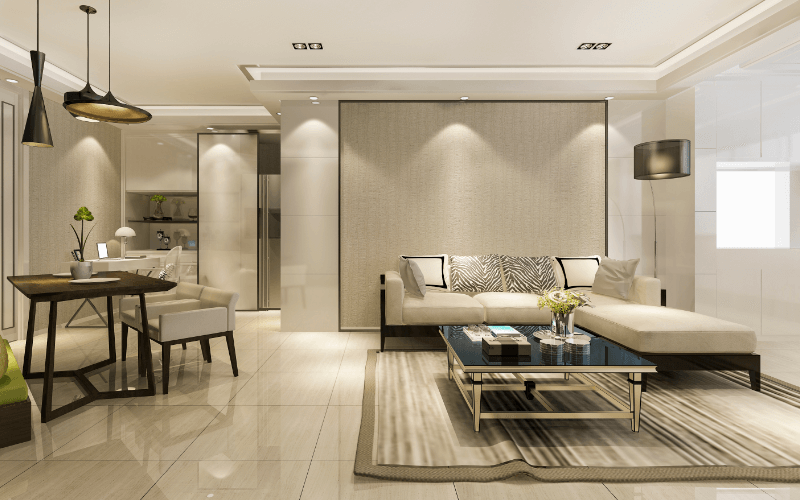
Minimalism isn’t about stripping your home of all personal items; it’s about creating a functional, clean, and peaceful space. The key lies in intentional organisation, effective storage, and thoughtful interior design choices. Here are ten practical ways to achieve minimalist home organisation without the need to part with everything you love.
1. Prioritise Functionality Over Aesthetic
Minimalism focuses on keeping what adds value to your daily life. The goal is to strike a balance between aesthetics and function. When choosing what stays in your home, ask yourself whether it serves a purpose or brings you joy. Prioritising functionality doesn’t mean sacrificing beauty; it simply means keeping items that enrich your space while enhancing the overall flow.
2. Embrace Minimalist Home Organisation
Effective organisation plays a crucial role in minimalism and enhances clean interior designs. A minimalist home feels open and clutter-free because every item has a designated space. Invest in organisation solutions that suit your lifestyle. For example, drawer dividers, baskets, and labelled containers make it easy to keep things tidy and accessible. By focusing on minimalist home organisation, you can ensure your belongings are neatly stored without feeling overwhelmed.
ALSO READ: Want More Space? Try These Unexpected Design Tricks!
3. Incorporate Space-Saving Storage Solutions
Minimalism doesn’t mean having fewer items; it’s about how well you store and organise them. Space-saving storage solutions allow you to keep your belongings without making your home feel cluttered. Think about multi-functional furniture such as ottomans with hidden storage, wall-mounted shelves, and under-bed storage. These practical solutions maximise your available space while maintaining the clean, minimal look.
4. Maximise Vertical Space
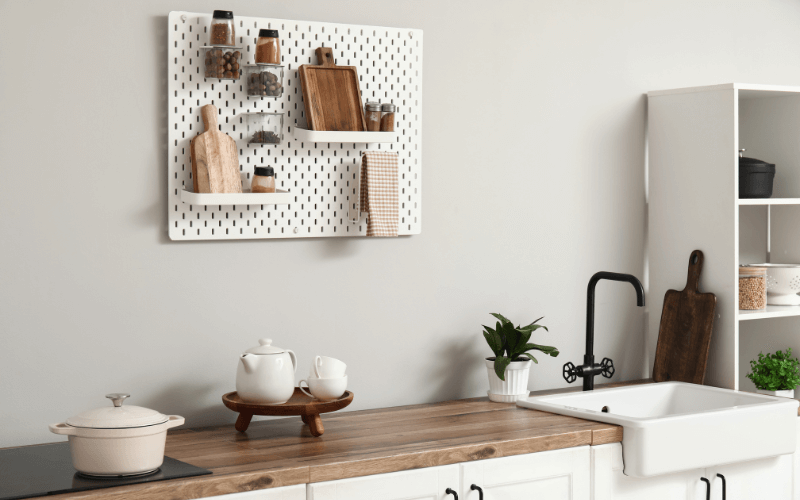
Utilising vertical space is a smart way to maintain a minimalist aesthetic without sacrificing storage. Tall bookshelves, pegboards, and hooks on walls can free up floor space and create a more open environment, ideal for spacious and clean interior designs. This is especially useful for organising small spaces efficiently, as it allows you to keep your home organised without cluttering surfaces.
5. Declutter Gradually
Achieving minimalism doesn’t mean you have to get rid of everything at once. Instead, declutter gradually by focusing on one room or one category at a time, incorporating space-saving storage solutions to better organise what remains. Start with items that are easy to part with, such as outdated paperwork or worn-out clothes. This slow approach helps you make more intentional decisions about what stays, ensuring you don’t feel overwhelmed by drastic changes.
6. Opt for Neutral Colours and Clean Lines
The visual appeal of a minimalist home comes from its simplicity. Stick to a neutral colour palette, such as whites, greys, and beige, which creates a sense of calm and spaciousness. Clean lines in your furniture and decor contribute to an organised and uncluttered look. Minimalism is about creating an environment that feels harmonious and relaxing.
7. Use Hidden Storage to Reduce Visual Clutter
Visual clutter can make a room feel chaotic, even if it’s clean. Hidden storage is one of the best ways to reduce this clutter without throwing items away. Consider built-in cabinets, storage benches, or furniture with concealed compartments. These options allow you to maintain a minimalist interior design aesthetic while keeping necessary items out of sight.
8. Keep Surfaces Clear
Clear surfaces instantly make a room feel more spacious and organised. Make it a habit to keep countertops, tables, and other surfaces free from unnecessary items. Display only a few key pieces that enhance the look of your space, such as a decorative vase or a framed picture. Keeping surfaces clean reduces visual clutter and contributes to a minimalist home environment.
9. Be Intentional About New Purchases
Minimalism is also about mindfulness in consumption. When bringing new items into your home, ask yourself whether they add value or serve a specific purpose. Avoid impulse purchases and focus on quality over quantity.
10. Create a Routine for Maintenance
Once you’ve created a minimalist home, it’s essential to establish a routine for maintaining it. Regularly assess your belongings, reorganise spaces, and ensure everything stays in its designated place.
Conclusion
Achieving a minimalist home doesn’t mean you have to part with everything. By focusing on efficient storage, thoughtful organisation, and intentional design, you can create a peaceful, clutter-free space that feels both functional and beautiful.
For more home organisation tips and space-saving solutions, visit Living Comforts’ website today.
