

Key Takeaways
- Material choice sets the tone, durability, and comfort of luxurious interior decoration over time
- Stone, wood, metal, and fabric each shape how refined spaces feel and age daily
- Finish quality influences light, texture, and long-term visual consistency indoors
- Balanced material use keeps interiors cohesive without feeling crowded or overstated
| TABLE OF CONTENT |
Introduction
Interior spaces often feel refined or flat based on materials alone. Colour and layout play a role, yet surfaces you touch, walk on, or sit beside shape daily experience far more. Attention usually shifts from style labels to how materials behave over time when people explore ideas tied to luxurious interior decoration. Weight, texture, and finish quietly decide whether a room feels composed or chaotic. Choosing well keeps spaces enjoyable long after the first impression fades.
Natural Stone Surfaces and Finishes
Marble and Stone Slabs
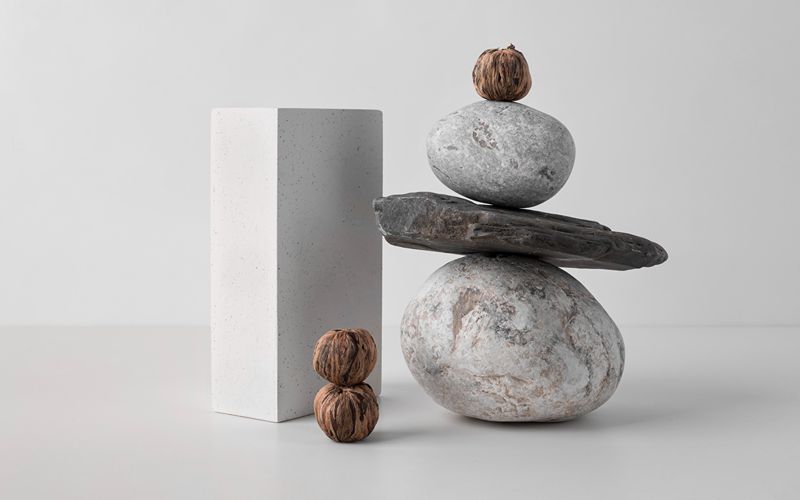
Stone remains a familiar choice because texture variation and visual depth sit at the core of luxurious interior decoration. Marble, granite, and limestone bring natural patterns that printed finishes cannot mimic. Veining and colour shifts add interest without demanding attention, helping rooms feel calm and grounded.
Stone also carries physical presence. Countertops, feature walls, or flooring made from solid slabs feel stable and deliberate. A sense of weight suits interiors aiming for longevity instead of short-term flair, which aligns closely with expectations around luxurious interior decoration.
Engineered Stone Alternatives
Engineered stone appeals to busy households because consistent colour and controlled patterning reduce visual noise while handling daily wear. Quartz fits neatly into routines where stains and scratches should stay manageable, a quality closely associated with luxurious interior decoration.
Predictable results during installation also appeal to homeowners planning for luxurious interior decoration. Clean edges and controlled tones help spaces look cohesive, especially when multiple surfaces sit within the same sightline, reducing visual noise in open areas.
ALSO READ: 8 Industrial Style Interior Must-Haves from Hardware Stores
Wood Materials That Shape Warmth
Solid Wood Applications
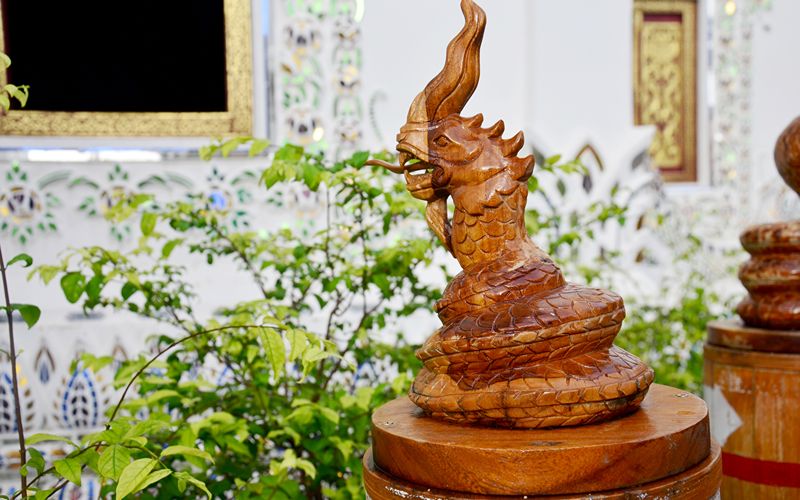
Having wood decor can introduce warmth and contrast into layered spaces, preventing rooms from feeling overly polished or flat. In this case, luxurious interior decoration becomes less about shine and more about balance through natural texture. Solid timber flooring, cabinetry, or wall panels add warmth that offsets stone or metal finishes, it’s very popular for modern contemporary designs. Grain patterns create subtle movement, preventing rooms from feeling rigid.
Durability depends on species and treatment. Hardwoods handle daily wear better, while proper sealing helps surfaces age gracefully. Over time, wood gains character, fitting interiors designed for long-term use and steady luxurious interior decoration.
Veneers and Engineered Wood
Veneered panels help large surfaces stay visually aligned, allowing grain direction and tone to move smoothly from one area to another. Designers working with luxurious interior decoration rely on veneers to create cohesion without overwhelming the space.
Structural stability also matters when planning luxurious interior decoration. Engineered wood resists warping and cracking, helping finishes stay neat across changing humidity levels and keeping alignment consistent over time.
Metals That Add Structure and Contrast
Brushed and Polished Metals
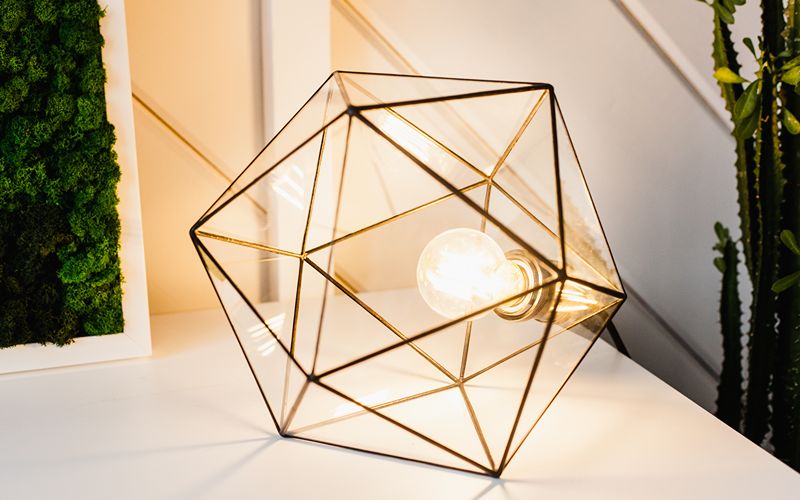
Smaller details such as frames, trims, and fittings give rooms definition, creating structure without relying on large visual statements. Luxurious interior decoration uses these elements to organise space through proportion and placement.
Frequent contact points benefit from durable materials. Handles, rails, and fixtures perform well when metals resist wear while maintaining a consistent appearance aligned with luxurious interior decoration.
Mixed Metal Details
Metal variation can separate areas visually when contrast is handled with restraint. Differences in weight, reflectivity, or scale help zones read clearly, allowing luxurious interior decoration to feel layered without disrupting overall harmony.
Using metals as accents keeps spaces flexible as tastes or layouts shift. Fixtures can change over time without requiring full material replacement, allowing updates without disturbing core finishes tied to luxurious interior decoration.
Fabric and Upholstery Choices
Natural Fibres
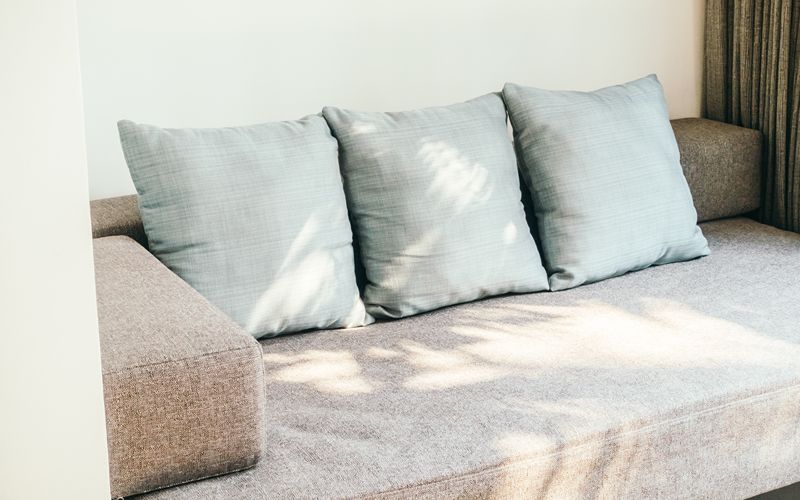
Comfort relies heavily on textile choice, making natural fibres a steady part of luxurious interior decoration. Linen, wool, and cotton provide breathable surfaces that age gently. Interaction with light adds softness to seating and window treatments.
Living spaces benefit when comfort sits alongside appearance. Texture adds dimension, preventing rooms from feeling flat or overly formal while keeping spaces welcoming within a broader luxurious interior decoration plan.
Performance Fabrics
Practical needs influence material selection in homes focused on luxurious interior decoration. Performance fabrics offer stain resistance and durability while preserving texture and colour depth.
Shared spaces benefit from fabrics that handle daily use across different activities. The look remains refined, while maintenance stays manageable and practical for everyday living within luxurious interior decoration.
CHECK OUT: What Pieces You Should Buy for an Eclectic Interior Design
Finishes That Define Visual Quality
How an item is perceived, more so for luxurious interior decorations, can change based on the finish choice. Matte and satin surfaces reduce glare and highlight material texture, helping walls, cabinetry, and furniture feel composed and understated during daily use. Lower sheen finishes also hide minor imperfections, keeping interiors looking consistent as light shifts across the day.
Contrast feels intentional when gloss finishes appear selectively in luxurious interior decoration. Lacquered panels or polished stone reflect light and add visual interest when balanced with softer materials. Used with restraint, reflective surfaces lift a space without overwhelming surrounding finishes or creating excessive shine.
Durability and Long-Term Appeal
Materials That Age Well
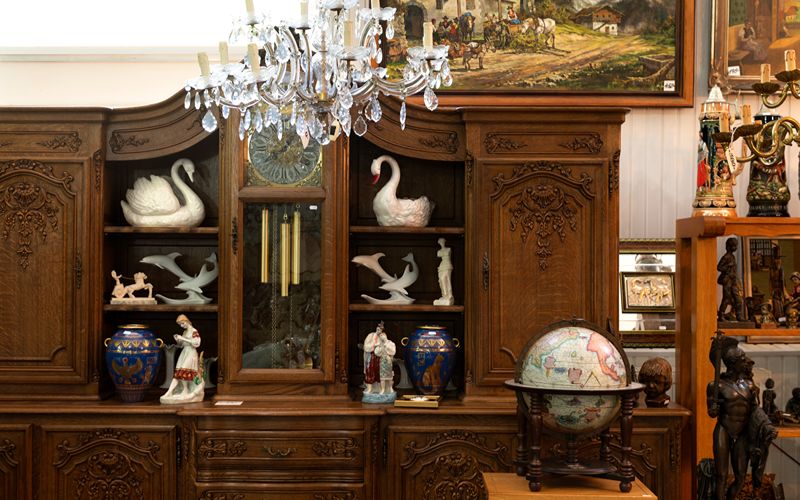
Something that luxurious interior decorations are known for is that they last a long time. Materials chosen for durability reduce the need for frequent updates. Stone, quality wood, and well-finished metals develop patina instead of deterioration.
Graceful ageing adds character, keeping interiors relevant across years of use without demanding frequent updates or replacements, which supports lasting luxurious interior decoration.
Maintenance Considerations
Of course, with anything fragile and valuable, luxurious interior decoration needs regular upkeep. Materials requiring constant care often lose appeal over time. Practical choices balance beauty with realistic maintenance needs.
Finishes that clean easily help spaces stay inviting without effort becoming a burden, encouraging regular use without hesitation in luxurious interior decoration.
Material Balance Across Spaces
Surfaces are highlighted when tones and textures move naturally from room to room without unnecessary repetition. A visual flow will appear when using luxurious interior decoration properly. A controlled mix creates continuity while allowing each space to maintain a clear role.
Restraint plays an equal role. Too many finishes dilute impact and make rooms feel unsettled. Using fewer materials with clear purpose improves visual clarity, helping interiors feel calmer and more cohesive across the home within luxurious interior decoration.
Frequently Asked Questions (FAQs)
Which materials suit daily use in refined interiors?
Stone, treated wood, and durable fabrics handle regular wear while keeping spaces visually composed.
Do natural materials require more upkeep?
Some need care, yet proper finishes keep cleaning simple and protect surfaces over time.
Can mixed materials still look cohesive?
Yes, shared tones and controlled textures help different materials work well together.
Are engineered materials suitable for luxury spaces?
Engineered options offer consistency, durability, and clean finishes that suit refined interiors.
How important is finish choice when selecting materials?
Finish affects light, texture, and how materials age during daily use.
Should materials stay consistent across rooms?
Consistency helps flow, while small variations add interest without visual clutter.
Conclusion
Material choices influence how a space settles into daily life, affecting comfort, upkeep, and how the room feels as time passes. In luxurious interior decoration, attention shifts away from surface appeal alone and towards how finishes interact, how textures sit together, and how well each choice holds up through regular use. When materials are selected with this longer view in mind, interiors stay coherent and pleasant to live in, retaining their sense of calm and intention even as preferences change.
Visit Living Comforts to explore materials and finishes that bring lasting refinement to luxurious interior spaces without losing everyday comfort.
